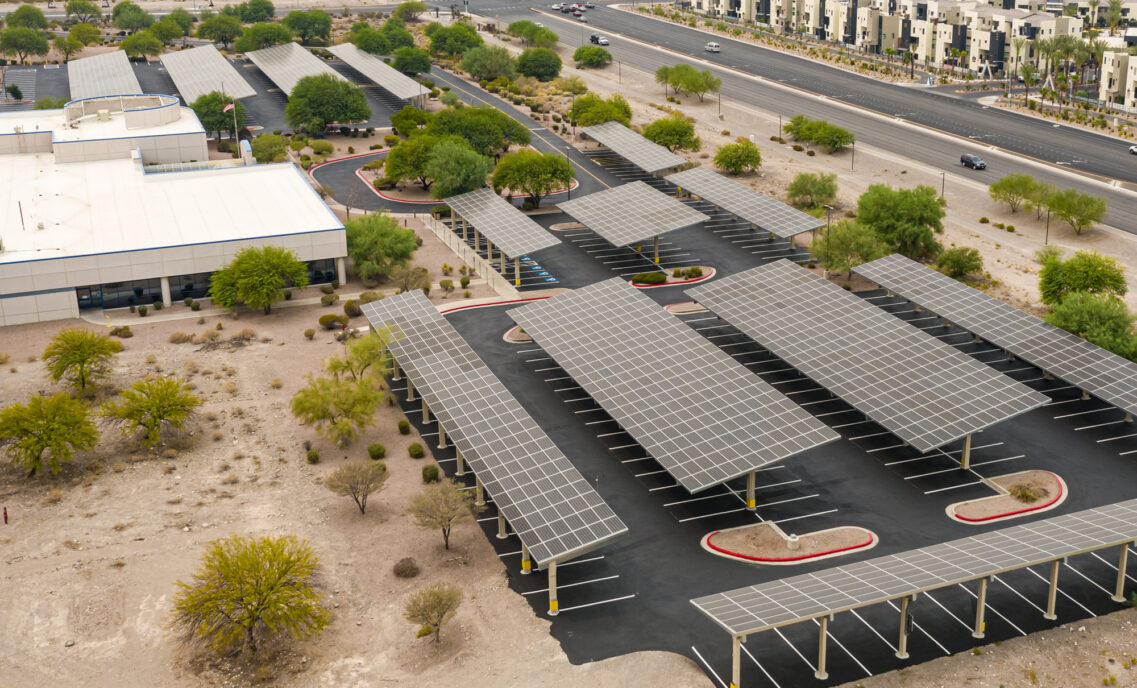
The energy that keeps our Levi’s® stores, distribution centers and offices running each day often goes unnoticed. But when the lights switch on and the doors open, energy is hard at work behind the scenes — contributing to our overall environmental impact in ways that aren’t always visible. That’s why in 2018, Levi Strauss & Co. set our first science-based targets for renewable electricity and energy use, technically known as Scope 1 and 2 emissions, across our company-operated footprint. Over nearly a decade, we’ve worked to reduce these emissions by 90% and achieve 100% renewable electricity use in all company-operated facilities by 2025.
Now, we’re taking another step forward, building on our progress so far and setting new goals for 2030. To learn more, we sat down with LS&Co.’s Chief Sustainability Officer Jeffrey Hogue.
How has LS&Co. performed against the goals we set back in 2018?
We’ve made steady progress. Thanks to the dedication of teams across the company, we’ve achieved an 81% reduction in Scope 1 and 2 emissions through 2024, against a 2016 baseline. But, due to significant changes and growth in the business that we couldn’t have anticipated when we first set those targets, we expect to fall just short of our 90% reduction in emissions target when we report 2025 fiscal year data later this year.
However, we remain on track to meet our goal of 100% renewable electricity use — progress we can be proud of.
What are the new targets?
We’ve set new goals for 2030, aligned with global climate efforts and the Science Based Targets initiative (SBTi), signaling both our ongoing commitment and transparency. Set against a 2022 baseline, our 2030 targets will address the remaining emissions by powering our company-operated footprint with clean energy while cutting pollution from heating, cooling and other operations by nearly half.
The new targets are:
- 42% reduction in Scope 1 emissions, which are direct emissions from sources we own and control, such as boilers, company vehicles and the use of refrigerants.
- 91% reduction in Scope 2 emissions, which are indirect emissions from the generation of electricity, steam, heat or cooling that we purchase and use.
- Maintain 100% renewable electricity in all company-operated facilities.
These targets are aligned to our overall business strategy and were developed collaboratively with cross-functional partners across the company, particularly our retail and distribution and logistics teams. They reflect our commitment to energy efficiency, risk management and compliance, while accounting for business growth and evolving industry standards.
Our new goals separate progress between Scope 1 and 2 emissions, getting more specific in our greenhouse gas accounting. This approach allows us to hold ourselves accountable to driving meaningful results across our operations, building upon the emissions we’ve already reduced to date.
What does this look like in practice?
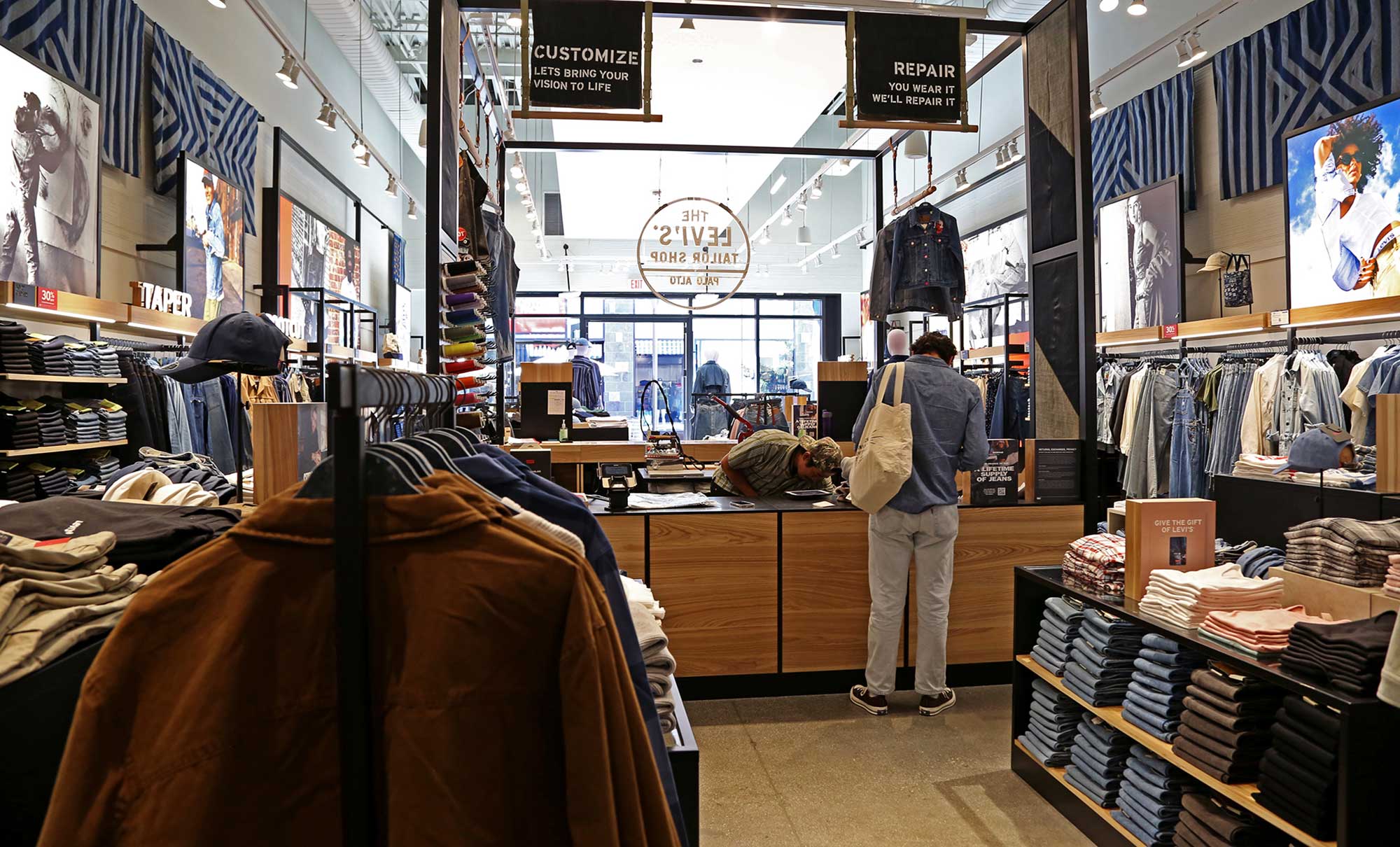
Let’s look at our retail stores. Last year, we launched an energy pilot program that installed smart thermostats in seven stores across the U.S. With the support of our retail teams, we’ve automated and reduced energy use and costs during overnight hours while maintaining a comfortable store temperature during the day. Early results from the pilot showed an average 30% reduction in energy consumption during targeted after-store hours. This year, we’re planning to expand this program to include more than 30 stores, introducing more efficient systems into our retail network, one by one.
These retail sustainability initiatives energize our stylists, giving our teams a chance to make a tangible difference every day. It’s inspiring to see retail proving that sustainability and great shopper experiences can work together.
How do these targets relate to our broader climate goals?
Beyond our own operations, we updated our supply chain emissions target in 2024 as we look to achieve net zero emissions by 2050. We are partnering with our suppliers to support emissions reductions in their own operations, reflecting our belief that climate action extends beyond our own facilities.
These efforts are already making incremental progress, highlighting how responsible climate targets can support business impact. By investing in smart energy solutions and setting credible, achievable targets, we’re demonstrating that climate action and business growth go hand in hand.